Start here
Collectors.
Buying by taste is a different exercise from buying to play. The questions change from how does it feel to what exactly is this, and what has been changed on it.
Originality is the whole game
On a collectible instrument, value tracks how much of the original object survives. A changed
pickup, a refinished body, a swapped tuner, the wrong case — each one moves the price, and on the
most collected models a single non-original screw is enough to be worth mentioning in a listing.
01 Neck and body stamps — the date codes that decide whether two halves belong together 02 Pot codes — the week a control was made; a hard check on a claimed year 03 Finish checking — lacquer cracks with age. A refinished body does not have it, or has it under the paint 04 Case candy — tags, receipts, the original case. Provenance you cannot recreate later
Player-grade is the affordable door
An instrument with a changed pickup or a repaired neck is worth a fraction of an all-original one and
plays the same or better. If you are buying to use rather than to hold, this is where the value is. The
premium on perfection is paid by people who are not going to play it.
Made in 1970 or earlier
286 Style O — National Reso-Phonic 1928 032 OM-28 / OM-21 — C.F. Martin & Co. 1929 024 D-18 — C.F. Martin & Co. 1931 025 D-28 — C.F. Martin & Co. 1931 027 D-45 — C.F. Martin & Co. 1933/1968 162 SJ-200 — Gibson 1937 154 J-45 — Gibson 1942 702 Bigsby B5/B7/B50 — Bigsby 1948 127 Telecaster — Fender 1950 170 Jet — Gretsch 1950s 175 F-47 / F-50 — Guild Guitars 1950s 124 Precision Bass — Fender 1951 159 Les Paul Standard — Gibson 1952 166 Duo Jet — Gretsch 1953 126 Stratocaster — Fender 1954 156 Les Paul Custom — Gibson 1954 157 Les Paul Junior — Gibson 1954 172 White Falcon — Gretsch 1954 158 Les Paul Special — Gibson 1955 168 G6120 Nashville / Chet Atkins — Gretsch 1955 173 White Penguin — Gretsch 1955 520 Black Magick 1695T / 25-watt reissue — Supro 1955/2016 115 Duo-Sonic — Fender 1956 203 Violin Bass (500/1) — Höfner 1956 061 '56 Baritone — Danelectro 1956/1990s 165 Country Gentleman — Gretsch 1957 119 Jazzmaster — Fender 1958 146 ES-335 — Gibson 1958 148 Explorer — Gibson 1958 150 Flying V — Gibson 1958 318 325 — Rickenbacker 1958 319 330 — Rickenbacker 1958 536 AC15 — Vox 1958 744 Gretsch Filter'Tron (original) — Gretsch 1958 194 Mosrite Ventures Model — Historic & Defunct Brands (Kay, Silvertone, Teisco, Mosrite, Burns, Harmony, Supro, Eko, Airline) 1958/1963 320 360 / 360/12 — Rickenbacker 1958/1964 145 ES-330 — Gibson 1959 147 ES-355 — Gibson 1959 160 Melody Maker — Gibson 1959 434 '59 Bassman LTD — Fender Amplifiers 1959 537 AC30 — Vox 1959 085 Dot — Epiphone 1959 (as ES-335) 062 '59 M NOS+ (Double Cut) — Danelectro 1959/1990s 118 Jazz Bass — Fender 1960 153 Hummingbird — Gibson 1960 179 Starfire (I–VI) — Guild Guitars 1960 174 D-40 / D-55 — Guild Guitars 1960s 176 F-512 — Guild Guitars 1960s 177 M-20 / M-25 — Guild Guitars 1960s/2021 091 Hummingbird / Dove / J-45 EC — Epiphone 1960s+ 084 Casino — Epiphone 1961 161 SG Standard — Gibson 1961 606 Fender 6G15 outboard reverb — Fender 1961 321 4001 / 4003 Bass — Rickenbacker 1961/1979 094 Riviera — Epiphone 1962 117 Jaguar — Fender 1962 144 Dove — Gibson 1962 196 Silvertone 1449/1457 amp-in-case — Historic & Defunct Brands (Kay, Silvertone, Teisco, Mosrite, Burns, Harmony, Supro, Eko, Airline) 1962 541 Vox guitars (Mark III "Teardrop") — Vox 1962 732 Ernie Ball Slinky (09/10/11) — Ernie Ball 1962 Defunct and historic makers
Brands that stopped, and Japanese instruments from the period when copies got good. Both are where
the surprises are, and both need the checks above more than a known model does.
190 Burns London (Bison, Marvin) — Historic & Defunct Brands (Kay, Silvertone, Teisco, Mosrite, Burns, Harmony, Supro, Eko, Airline) 191 Eko 290 / Camaro — Historic & Defunct Brands (Kay, Silvertone, Teisco, Mosrite, Burns, Harmony, Supro, Eko, Airline) 192 Harmony H44 / Jupiter — Historic & Defunct Brands (Kay, Silvertone, Teisco, Mosrite, Burns, Harmony, Supro, Eko, Airline) 193 Kay K-161 Thin Twin — Historic & Defunct Brands (Kay, Silvertone, Teisco, Mosrite, Burns, Harmony, Supro, Eko, Airline) 194 Mosrite Ventures Model — Historic & Defunct Brands (Kay, Silvertone, Teisco, Mosrite, Burns, Harmony, Supro, Eko, Airline) 1958/1963 195 Regal resonators — Historic & Defunct Brands (Kay, Silvertone, Teisco, Mosrite, Burns, Harmony, Supro, Eko, Airline) 196 Silvertone 1449/1457 amp-in-case — Historic & Defunct Brands (Kay, Silvertone, Teisco, Mosrite, Burns, Harmony, Supro, Eko, Airline) 1962 197 Silvertone 1484 Twin Twelve — Historic & Defunct Brands (Kay, Silvertone, Teisco, Mosrite, Burns, Harmony, Supro, Eko, Airline) 198 Stella (by Harmony) — Historic & Defunct Brands (Kay, Silvertone, Teisco, Mosrite, Burns, Harmony, Supro, Eko, Airline) 199 Supro Dual-Tone / Valco — Historic & Defunct Brands (Kay, Silvertone, Teisco, Mosrite, Burns, Harmony, Supro, Eko, Airline) 200 Teisco del Rey / Spectrum series — Historic & Defunct Brands (Kay, Silvertone, Teisco, Mosrite, Burns, Harmony, Supro, Eko, Airline) 233 Bacchus Handmade Japan / Woodline — Japanese Classics (Tokai, Greco, Burny, Fernandes, Bacchus, Momose, K. Yairi) 234 Burny RLG — Japanese Classics (Tokai, Greco, Burny, Fernandes, Bacchus, Momose, K. Yairi) 1970s 235 Fernandes Sustainer models — Japanese Classics (Tokai, Greco, Burny, Fernandes, Bacchus, Momose, K. Yairi) 236 Greco EG / EGF — Japanese Classics (Tokai, Greco, Burny, Fernandes, Bacchus, Momose, K. Yairi) 1970s 237 K. Yairi — Japanese Classics (Tokai, Greco, Burny, Fernandes, Bacchus, Momose, K. Yairi) 238 Momose — Japanese Classics (Tokai, Greco, Burny, Fernandes, Bacchus, Momose, K. Yairi) 239 Tokai Love Rock (LS/LES) — Japanese Classics (Tokai, Greco, Burny, Fernandes, Bacchus, Momose, K. Yairi) 1977 240 Tokai Springy Sound / Breezy Sound / Goldstar Sound — Japanese Classics (Tokai, Greco, Burny, Fernandes, Bacchus, Momose, K. Yairi) 1977 By decade · All makers · Construction
A cross-section of the archive — sampled across the catalogue Back to hub Home The whole archive
 286Style O
  162SJ-200
 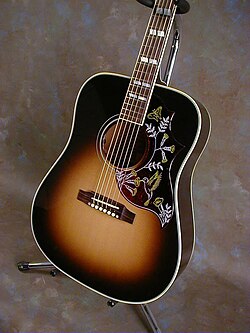 154J-45
  702Bigsby B5/B7/B50
  127Telecaster
  170Jet
  175F-47 / F-50
  124Precision Bass
  159Les Paul Standard
  166Duo Jet
  126Stratocaster
  156Les Paul Custom
  157Les Paul Junior
  172White Falcon
  158Les Paul Special
  168G6120 Nashville / Chet Atkins
  115Duo-Sonic
  203Violin Bass (500/1)
  061'56 Baritone
  119Jazzmaster
  146ES-335
  148Explorer
  150Flying V
  318325
  319330
  536AC15
  744Gretsch Filter'Tron (original)
  320360 / 360/12
  145ES-330
  147ES-355
  434'59 Bassman LTD
  537AC30
  085Dot
 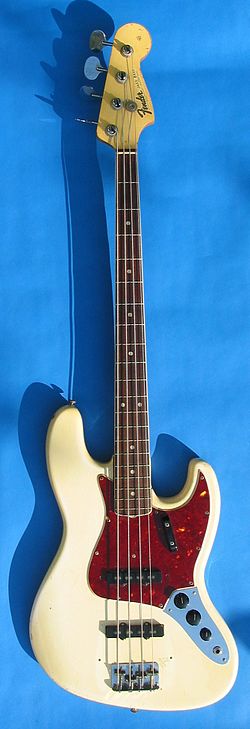 118Jazz Bass
  174D-40 / D-55
  091Hummingbird / Dove / J-45 EC
  161SG Standard
  606Fender 6G15 outboard reverb
  3214001 / 4003 Bass
  117Jaguar
  144Dove
  541Vox guitars (Mark III "Teardrop")


